Archives
- 2026-06
- 2026-05
- 2026-04
- 2026-03
- 2026-02
- 2026-01
- 2025-12
- 2025-11
- 2025-10
- 2025-09
- 2025-03
- 2025-02
- 2025-01
- 2024-12
- 2024-11
- 2024-10
- 2024-09
- 2024-08
- 2024-07
- 2024-06
- 2024-05
- 2024-04
- 2024-03
- 2024-02
- 2024-01
- 2023-12
- 2023-11
- 2023-10
- 2023-09
- 2023-08
- 2023-07
- 2023-06
- 2023-05
- 2023-04
- 2023-03
- 2023-02
- 2023-01
- 2022-12
- 2022-11
- 2022-10
- 2022-09
- 2022-08
- 2022-07
- 2022-06
- 2022-05
- 2022-04
- 2022-03
- 2022-02
- 2022-01
- 2021-12
- 2021-11
- 2021-10
- 2021-09
- 2021-08
- 2021-07
- 2021-06
- 2021-05
- 2021-04
- 2021-03
- 2021-02
- 2021-01
- 2020-12
- 2020-11
- 2020-10
- 2020-09
- 2020-08
- 2020-07
- 2020-06
- 2020-05
- 2020-04
- 2020-03
- 2020-02
- 2020-01
- 2019-12
- 2019-11
- 2019-10
- 2019-09
- 2019-08
- 2019-07
- 2019-06
- 2019-05
- 2019-04
- 2018-07
-
br P Y receptor structure br Pharmacology Several subtype se
2020-12-31

P2Y receptor structure Pharmacology Several subtype selective compounds have been developed in recent years (Jacobson and Müller, 2016; Rafehi and Müller, 2018). These compounds are helpful tools for analyzing the roles of P2Y receptor subtypes in physiology and pathophysiology. The present ar
-
br Patients and methods br Results Table shows relevant demo
2020-12-31
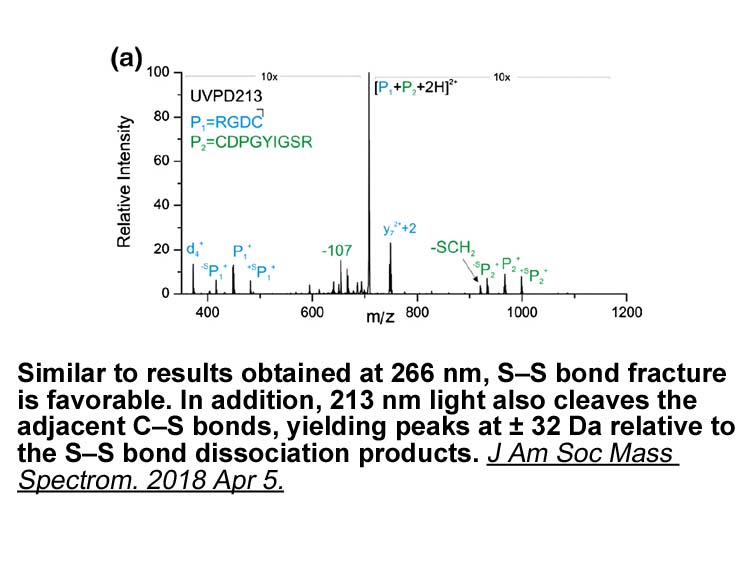
Patients and methods Results Table 1 shows relevant demographic and clinical characteristics of the 123 patients in the cohort. BAL fluid samples were obtained at a median of 172.5 days after allo-HSCT (range 3 days to five years). Discussion The definitive abandonment of traditional cultu
-
br Materials and methods br
2020-12-31
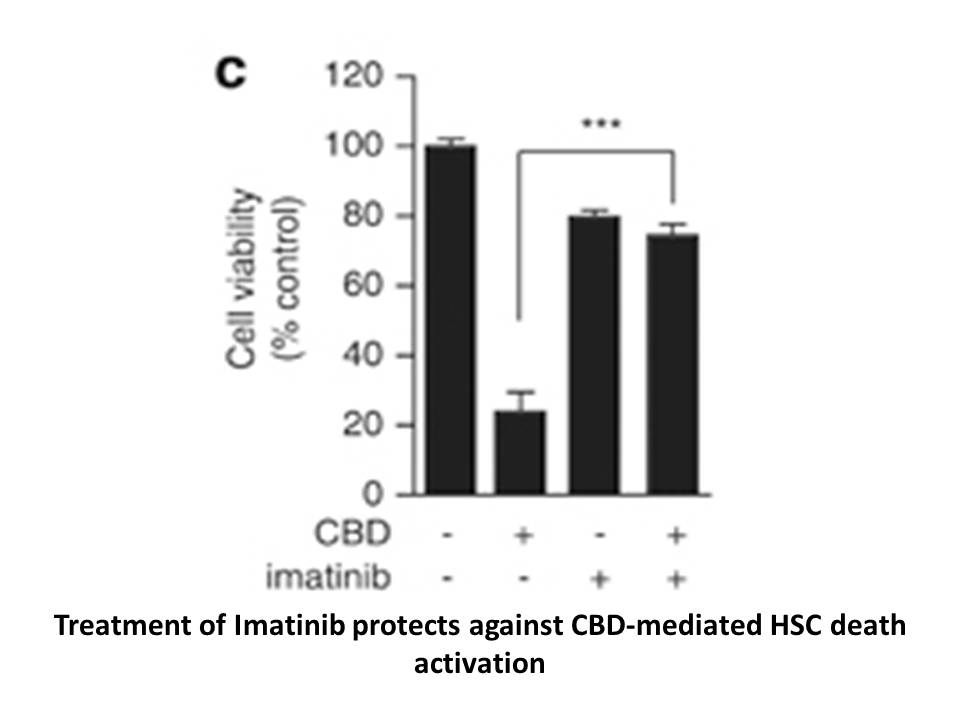
Materials and methods Results Discussion Inflammatory signalling and in particular the arachidonic cl pdx cascade have been suggested as targets for disease modification, optimization of the therapeutic response, and even restoration of pharmacosensitivity (Potschka, 2010). Recently, we de
-
Contrary to the profuse dopaminergic innervation of the thal
2020-12-30
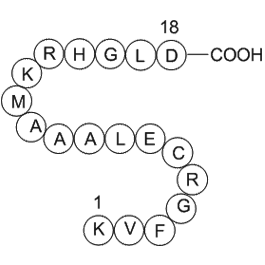
Contrary to the profuse dopaminergic innervation of the thalamus found in human and non-human primates (Brown et al., 1979, Sanchez-Gonzalez et al., 2005), in rodents, the RTn is one the few thalamic nuclei that receives dopaminergic input (Anaya-Martinez et al., 2006, Garcia-Cabezas et al., 2007, G
-
The purposes of this study is to develop an
2020-12-30

The purposes of this study is to develop an experimental model of CysLT2 receptor-mediated LTC4-induced lung air-trapping in guinea pigs using S-hexyl GSH, and to clarify the mechanism underlying response to such trapping using montelukast, a CysLT1 receptor antagonist, BayCysLT2RA, a CysLT2 recepto
-
The changes in the chemokine receptors CCR and CXCR
2020-12-30
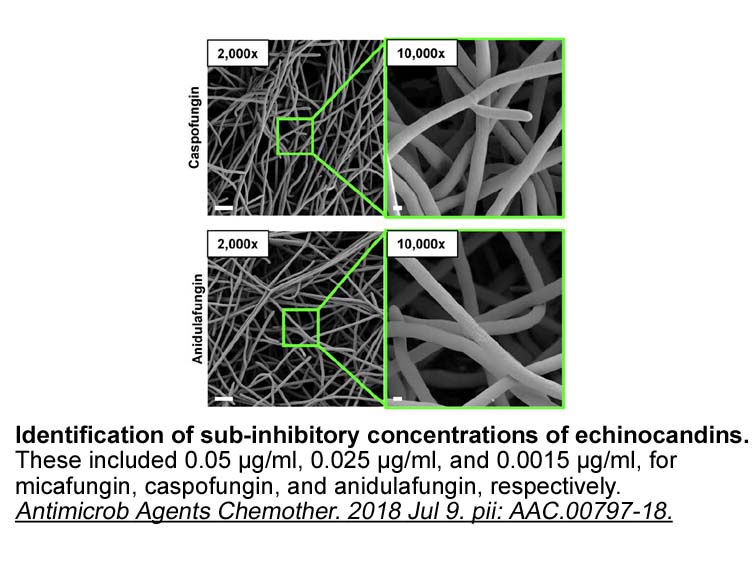
The changes in the chemokine receptors CCR-5 and CXCR-4 in women and men with PTSD are completely different. In the group of women with PTSD alone the level of this Protease Inhibitor Cocktail (EDTA-Free, 200X in DMSO) increased six times, whereas, in women with APD and PTSD, the level of the recep
-
Next we evaluated the therapeutic potential
2020-12-30
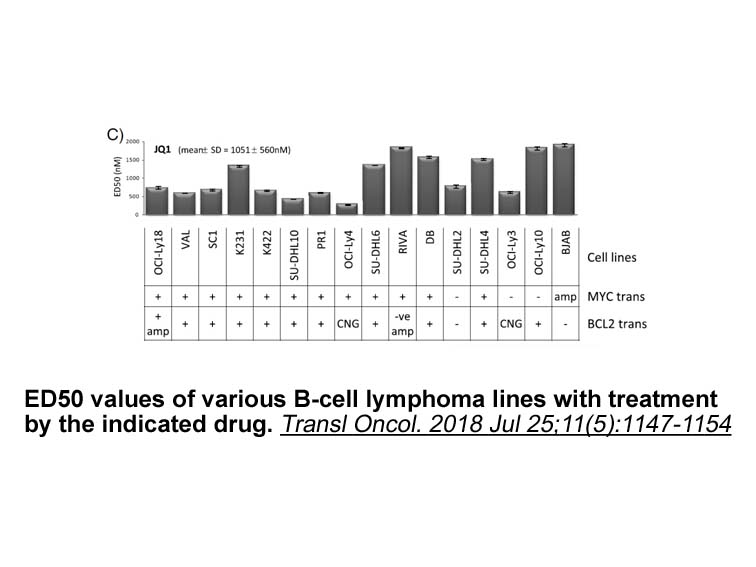
Next, we evaluated the therapeutic potential of compound () using the mouse model of collagen-induced arthritis (CIA model), which is the pathological model for RA. Consequently, oral once-daily dosing of 3 mg/kg reduced the overall progression of the clinical score, including inflammation and bone
-
br Acknowledgement This work was supported by grant form EU
2020-12-30
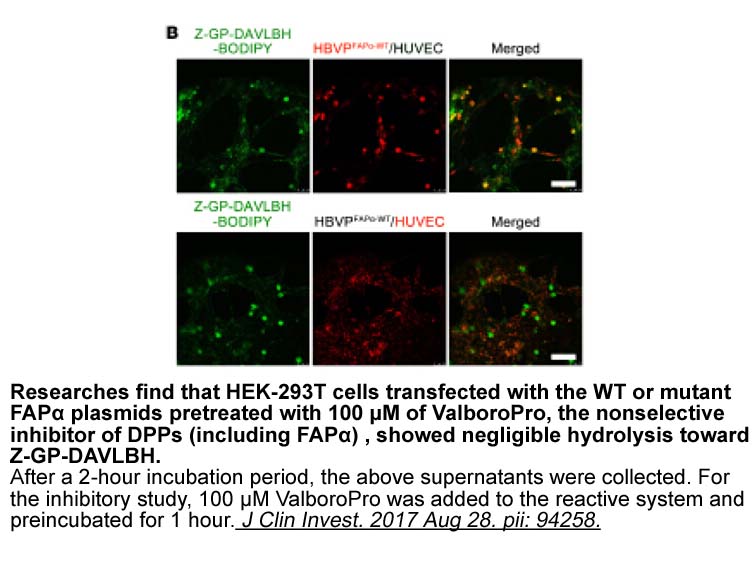
Acknowledgement This work was supported by grant form EU (FP7 grant agreement no.: 266033 SPonge Enzyme End Cell for Innovative AppLication-SPECIAL). Introduction Prolyl 4-hydroxylases (P4Hs) have central roles in the synthesis of collagens and the regulation of oxygen homeostasis [1]. The po
-
Introduction We have recently identified
2020-12-30

Introduction We have recently identified that caseinkinase 2 (CK2) inhibition protects white matter (WM) from ischemic injury. We focused our research on CK2 because upregulation of CK2 activity is associated with many diseases, including ischemic injury [1,[6], [7], [8]]. This review highlights an
-
br Acknowledgements br Introduction Protein tyrosine
2020-12-30
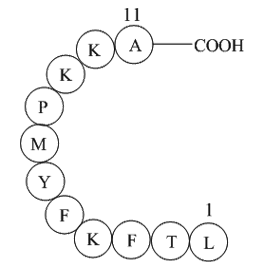
Acknowledgements Introduction Protein–tyrosine phosphorylation, catalyzed by protein–tyrosine kinases and protein–tyrosine phosphatases, has a pivotal role in the regulation of a wide variety of cellular processes. Similar numbers of tyrosine kinases and tyrosine phosphatases are encoded by th
-
br In some but not all human vessels
2020-12-30
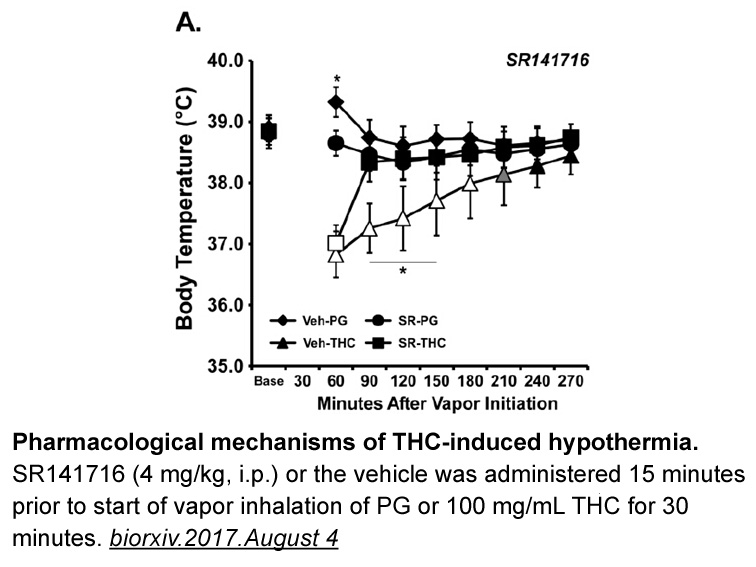
In some, but not all, human vessels, a small population of ETB (usually coronary Sal 003 with atherosclerotic lesions did not show any increase. In agreement, in experimental medicine studies in both heart failure patients and volunteer controls, selective ETA antagonism (BQ123) caused the expect
-
br Acknowledgements The present study was supported by the M
2020-12-30
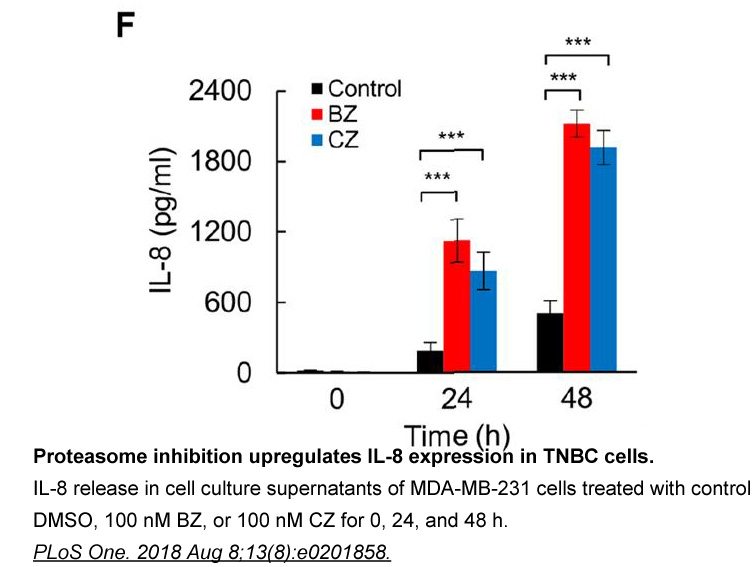
Acknowledgements The present study was supported by the Medical Science and Technology Program of Zhejiang Province2014KYA228 (Zhijun Zhou), 2016KYA195 (Jie Li) and 2017KY714 (Qingqing Xia); Zhejiang Provincial Natural Science Foundation of ChinaQ17H120001 (Jie Li); and Scientific Research Projec
-
br STAR Methods br Author Contributions br Acknowledgments
2020-12-30
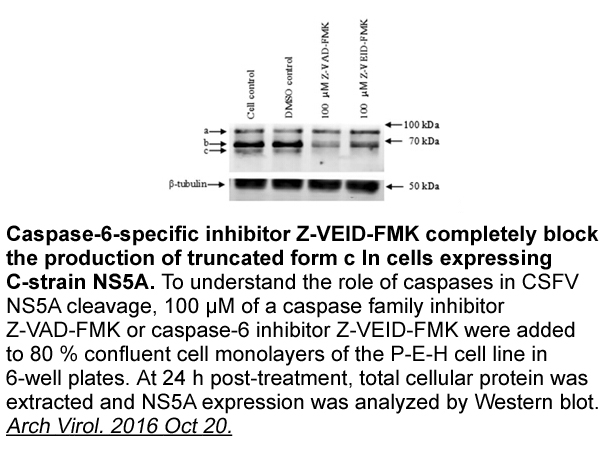
STAR★Methods Author Contributions Acknowledgments The authors thank Monika Kuhn for excellent technical assistance and Dr. Antje Schäfer for valuable scientific input. H.S. was supported by the DFG (FZ 82; Graduate School of Life Sciences and SCHI 425-6/1), and A.V.S. by Northwestern Univer
-
br Other factors regulating DNA PKcs Recent work
2020-12-30
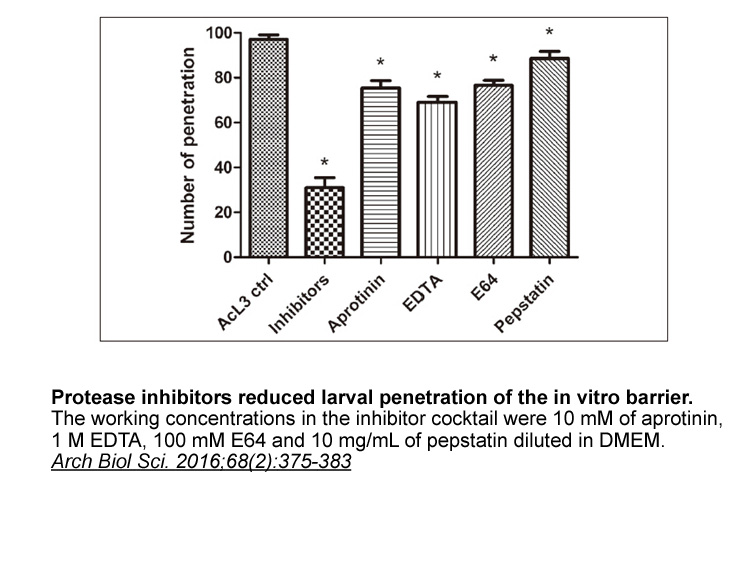
Other factors regulating DNA-PKcs Recent work in the field has also focused on factors that regulate NHEJ and NHEJ factors, in particular proteins that modulate DNA-PKcs. In this section we will highlight a number of factors which have been found to regulate DNA-PKcs. DNA-PKcs phosphorylation at
-
br Regulation of DGK activity Activation of the DGKs
2020-12-29
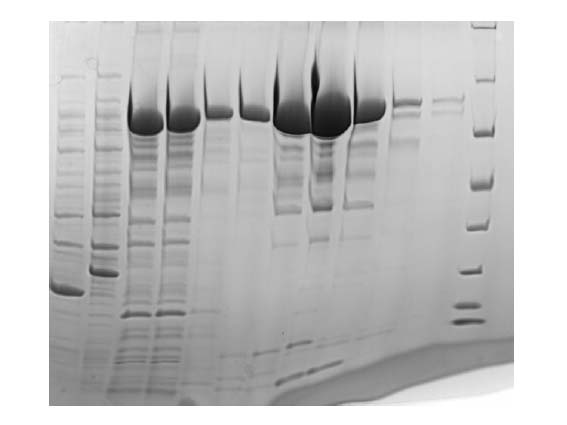
Regulation of DGK activity Activation of the DGKs is complex and unique for each DGK isotype. In most cases, DGKs must translocate to a membrane compartment to access DAG. However, translocation does not necessarily activate the enzyme [57]. In addition, DGK activity can be modified by other cofa
15834 records 742/1056 page Previous Next First page 上5页 741742743744745 下5页 Last page