Archives
- 2026-10
- 2026-09
- 2026-08
- 2026-07
- 2026-06
- 2026-05
- 2026-04
- 2026-03
- 2026-02
- 2026-01
- 2025-12
- 2025-11
- 2025-10
- 2025-09
- 2025-03
- 2025-02
- 2025-01
- 2024-12
- 2024-11
- 2024-10
- 2024-09
- 2024-08
- 2024-07
- 2024-06
- 2024-05
- 2024-04
- 2024-03
- 2024-02
- 2024-01
- 2023-12
- 2023-11
- 2023-10
- 2023-09
- 2023-08
- 2023-07
- 2023-06
- 2023-05
- 2023-04
- 2023-03
- 2023-02
- 2023-01
- 2022-12
- 2022-11
- 2022-10
- 2022-09
- 2022-08
- 2022-07
- 2022-06
- 2022-05
- 2022-04
- 2022-03
- 2022-02
- 2022-01
-
MicroRNA miRNA is an abundant group of
2024-02-06
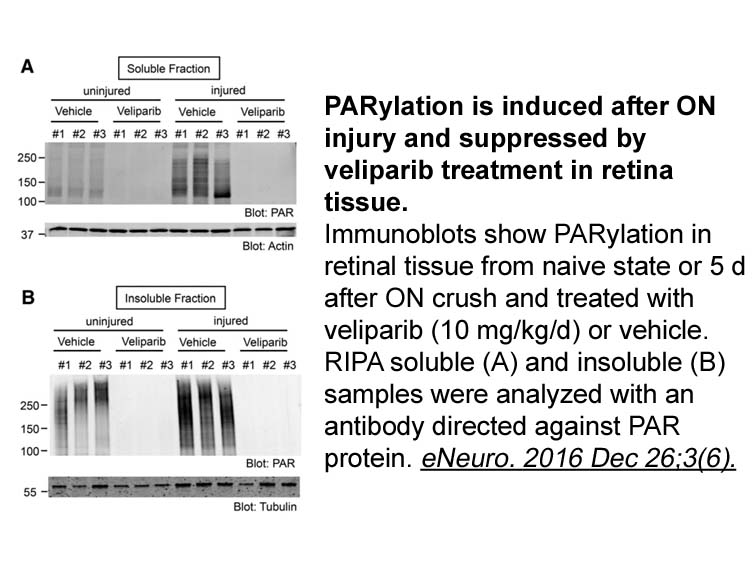
MicroRNA (miRNA) is an abundant group of small (22-nucleotide) noncoding RNA molecules that directly binds with 3′ untranslated region (UTR) of target messenger RNAs (mRNAs) to regulate gene expression, playing an important role in variety of biological processes including cell proliferation, apopto
-
br Methods br Results and
2024-02-06
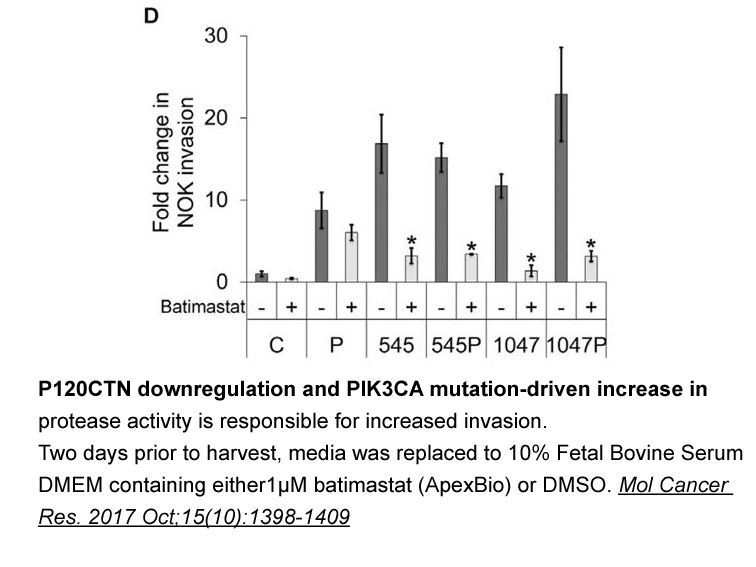
Methods Results and discussion Conclusions Acknowledgements The authors thank Dr. Francois Alhenc-Gelas (then INSERM U367, Paris, France), who kindly provided the plasmid for truncated soluble recombinant human ACE – WTΔ, Dr. Elena Arablinskaya (Institute of Phtiziopulmonology, Moscow, R
-
DRiPs also contribute to formation of protein aggregates tha
2024-02-06
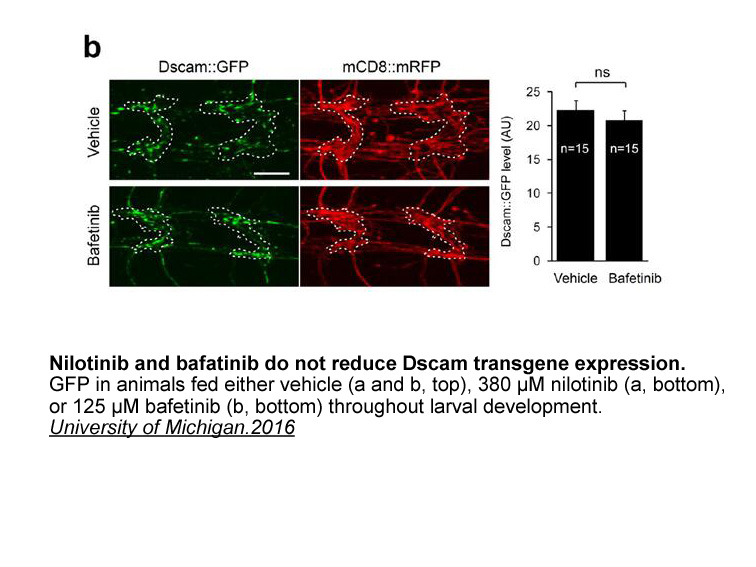
DRiPs also contribute to formation of protein EGTA australia that result from dysregulation of proteostasis, during which the proteolytic machinery is unable to process and degrade defective proteins (Tyedmers et al., 2010). Aggregation of poly-ubiquitinated proteins has been observed in different
-
br Resection of DNA ends The highly conserved MRN
2024-02-05
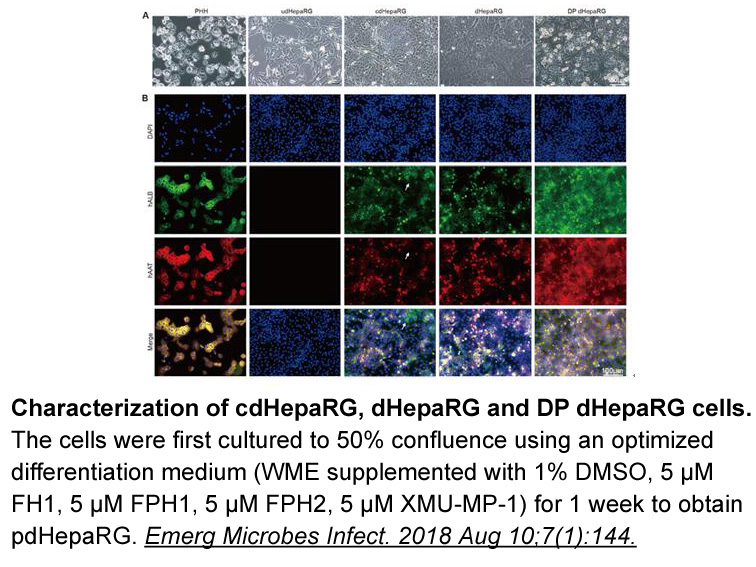
Resection of DNA ends The highly conserved MRN/MRX complex (Mre11-Rad50-Nbs1 in metazoan; Mre11-Rad50-Xrs2 in yeast) and the Ku70/Ku80 heterodimer (hereafter referred to as Ku) are the first protein complexes to be recruited at DSBs [6]. The presence of Ku and MRN/MRX mediates the recruitment of
-
A large number of studies have
2024-02-05
A large number of studies have shown that oxidative stress is involved in the pathophysiological process of ventricular remodeling and is associated with left ventricular dysfunction (Hori and Nishida, 2009, Lord et al., 2010). The generation of reactive oxygen species (ROS) that exceeds anti-oxidat
-
br Regulatory mechanisms of ASK activity br The
2024-02-05

Regulatory mechanisms of ASK1 activity The functions of ASK1 in disease ASK1 inhibitor As mentioned above, ASK1 plays a pivotal role in the pathogenesis of various diseases; hence, an ASK1 inhibitor has therapeutic potential. Although inhibitors of the ASK1 downstream kinases p38 and JNK ar
-
In the current investigation we
2024-02-05
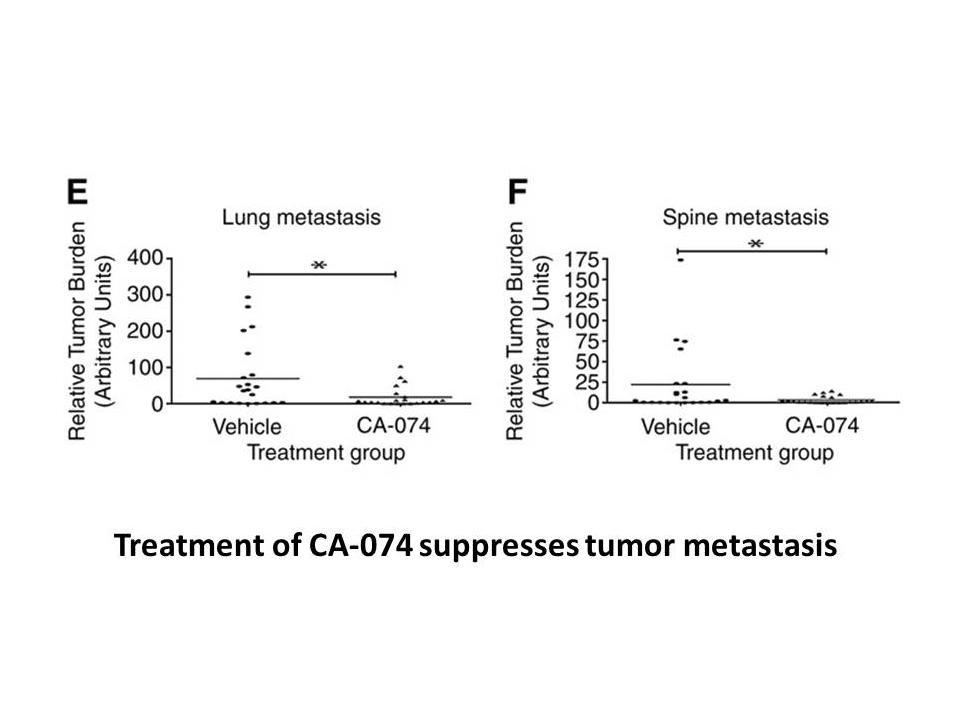
In the current investigation, we studied the effect of propofol on prostate cancer cells. Propofol is one of the most commonly used drugs in the critical care setting and for the induction of general anesthesia and moderate and deep sedation intraoperatively. Recent studies indicated that propofol e
-
Iodophenpropit dihydrobromide A has been reported to decreas
2024-02-05
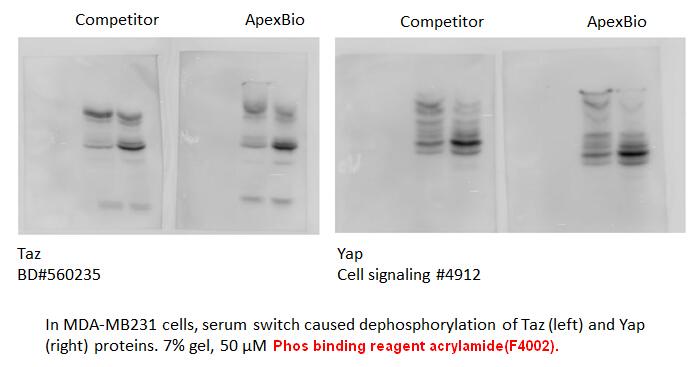
Aβ has been reported to decrease insulin receptors and impair insulin signaling in neurons, preventing phosphorylation of Akt and glycogen synthase kinase 3β (GSK-3β), downstream of insulin signaling, and to increase phosphorylation of tau protein causing neurofibrillary tangles (Tokutake et al., 20
-
There is a growing body of evidence
2024-02-05
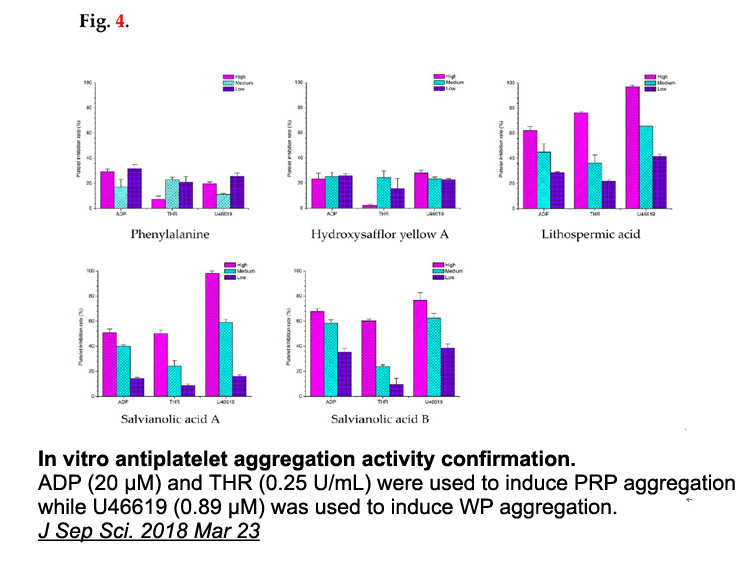
There is a growing body of evidence showing that pentobarbital causes memory disorders [3], [4], [5]. Our results that a single injection of pentobarbital into bilateral hippocampus significantly impaired hippocampus-dependent spatial memory retrieval (Fig. 1) add support to that evidence. Previous
-
br Regulation of BCAA catabolism
2024-02-05
Regulation of BCAA catabolism The BCAA catabolic system is equipped in mammalian cells to dispose of excess BCAAs, presumably resulting in relatively stable concentrations of BCAAs in blood and tissues in humans. The main BCAA catabolic pathway is localized in the mitochondria of all tissues. The
-
Accumulating evidence suggest that patients with advanced po
2024-02-05
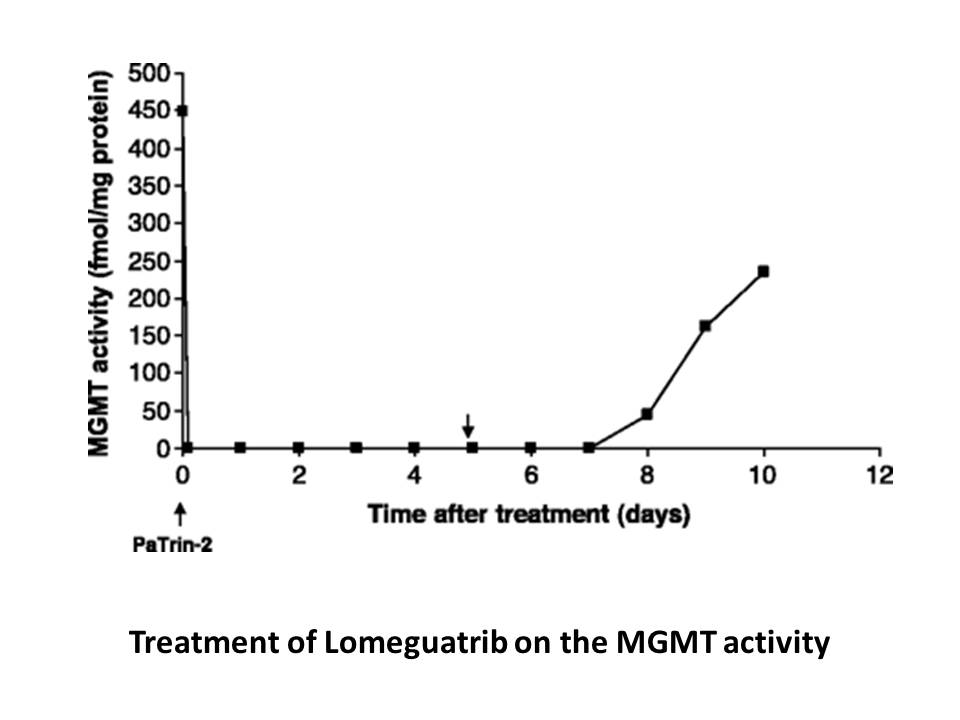
Accumulating evidence suggest that patients with advanced -positive NSCLC are at increased risk of VTE or coagulation disorders during the course of their disease, indicating that cancer genotype might play a role in the occurrence of cancer-related thromboembolism . Here we report the case of a pat
-
br Disclosure br Acknowledgments br Introduction Anaplastic
2024-02-05
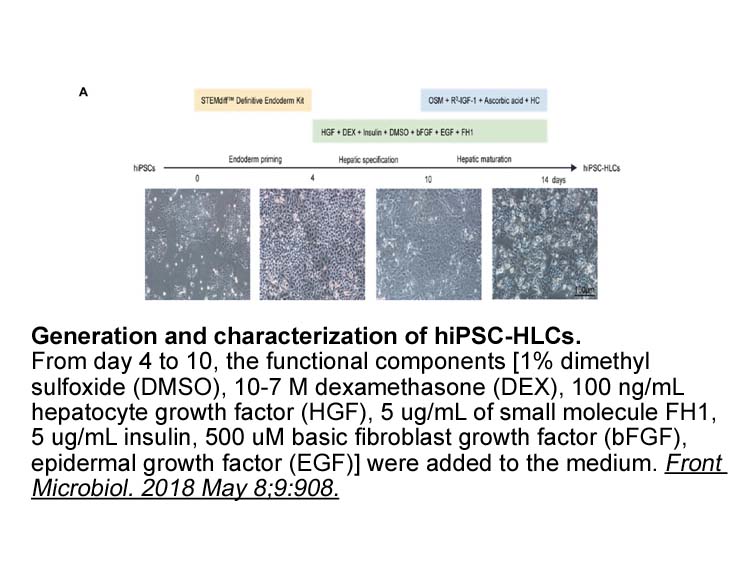
Disclosure Acknowledgments Introduction Anaplastic lymphoma kinase (ALK), a receptor tyrosine kinase, belongs to the insulin receptor kinase subfamily [1]. Oncogenic activation of ALK is associated with the NF 449 and progression of multiple human cancer types [2,3], including anaplastic la
-
Nrf br AhR br Nrf and
2024-02-05
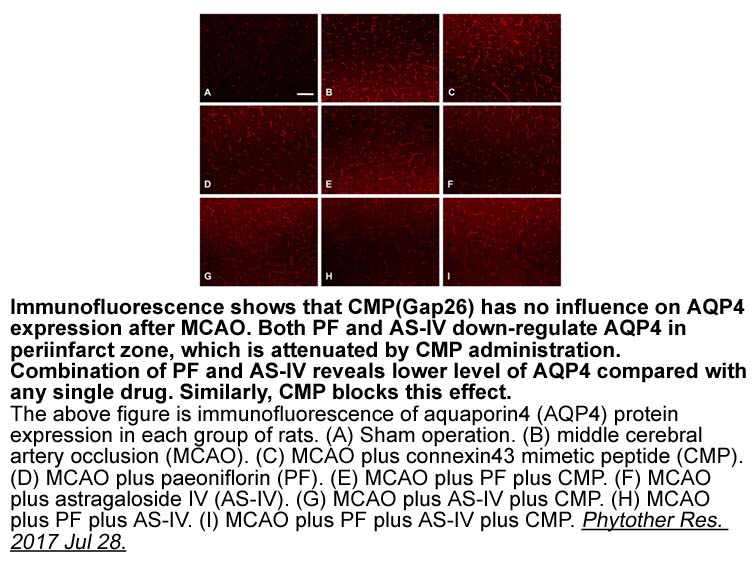
Nrf2 AhR Nrf2 and AhR: friends or foes for energetic metabolism? Perspectives in carcinogenesis upon xenobiotic exposure Acknowledgements Introduction Integration of endogenous and exogenous signals via appropriate receptors is at the core of biological differentiation and adaptive r
-
There are human genes in the SLC A family
2024-02-05
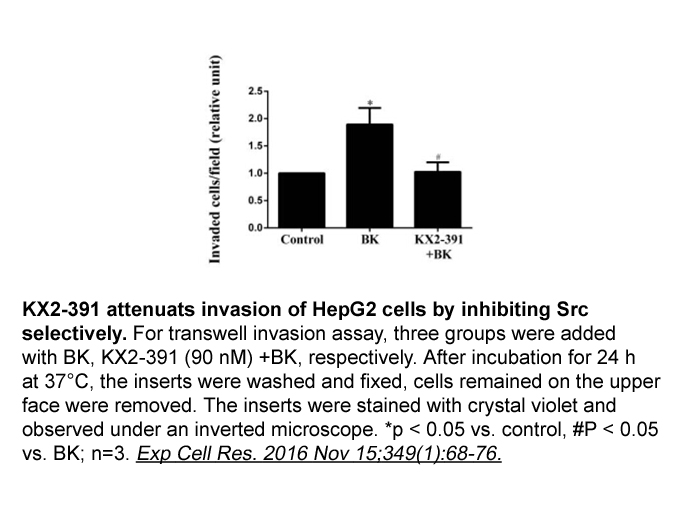
There are 12 human genes in the SLC5A family, and 6 of these are expressed in human heart (Table 2). Little is known about SGLT proteins in the heart. Zhou et al. [56] reported the presence of SGLT1 mRNA in the human heart. Researchers have found that levels of SGLT1 mRNA in heart are approximately
-
In another study authors found that ADORA were
2024-02-05
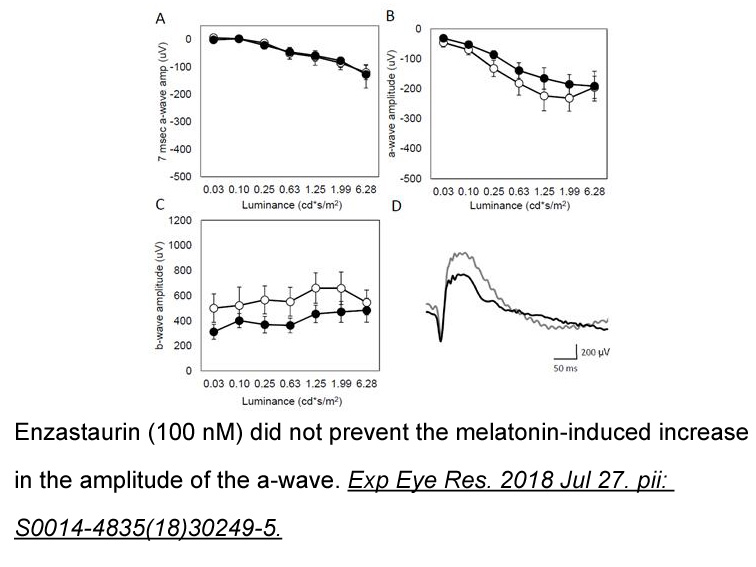
In another study, authors found that ADORA1 were present on the intrinsically photosensitive retinal ganglion PP 3 synthesis (ipRGCs), and application of adenosine to rat retinas reduced light-evoked spiking of ipRGCs through suppression of a cAMP-mediated pathway (Sodhi and Hartwick, 2014). The ip
8044 records 232/537 page Previous Next First page 上5页 231232233234235 下5页 Last page