Archives
- 2026-04
- 2026-03
- 2026-02
- 2026-01
- 2025-12
- 2025-11
- 2025-10
- 2025-09
- 2025-03
- 2025-02
- 2025-01
- 2024-12
- 2024-11
- 2024-10
- 2024-09
- 2024-08
- 2024-07
- 2024-06
- 2024-05
- 2024-04
- 2024-03
- 2024-02
- 2024-01
- 2023-12
- 2023-11
- 2023-10
- 2023-09
- 2023-08
- 2023-07
- 2023-06
- 2023-05
- 2023-04
- 2023-03
- 2023-02
- 2023-01
- 2022-12
- 2022-11
- 2022-10
- 2022-09
- 2022-08
- 2022-07
- 2022-06
- 2022-05
- 2022-04
- 2022-03
- 2022-02
- 2022-01
- 2021-12
- 2021-11
- 2021-10
- 2021-09
- 2021-08
- 2021-07
- 2021-06
- 2021-05
- 2021-04
- 2021-03
- 2021-02
- 2021-01
- 2020-12
- 2020-11
- 2020-10
- 2020-09
- 2020-08
- 2020-07
- 2020-06
- 2020-05
- 2020-04
- 2020-03
- 2020-02
- 2020-01
- 2019-12
- 2019-11
- 2019-10
- 2019-09
- 2019-08
- 2019-07
- 2019-06
- 2019-05
- 2019-04
- 2018-07
-
Increased knowledge about CRC pathogenesis has provided
2019-09-27
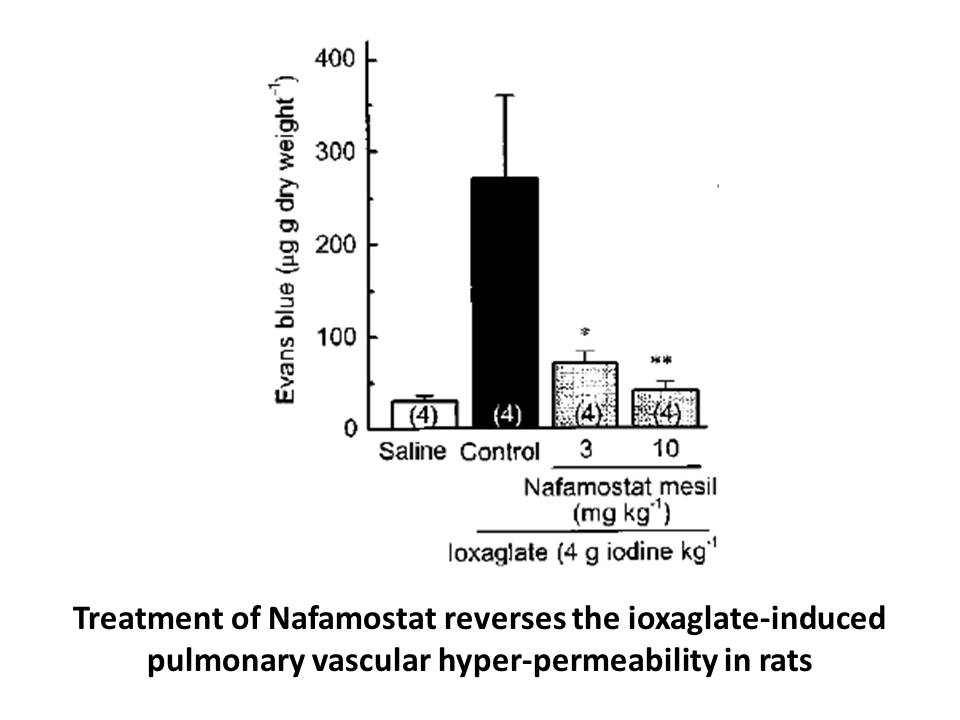
Increased knowledge about CRC pathogenesis has provided new and remarkable treatments beyond the classical options of surgery, radiation and chemotherapy [11]. Despite these advances, chemotherapy remains the most important element of anti-cancer therapy. Chemotherapy, when initiated, is generally e
-
Introduction Quassinoids are natural products formed
2019-09-27
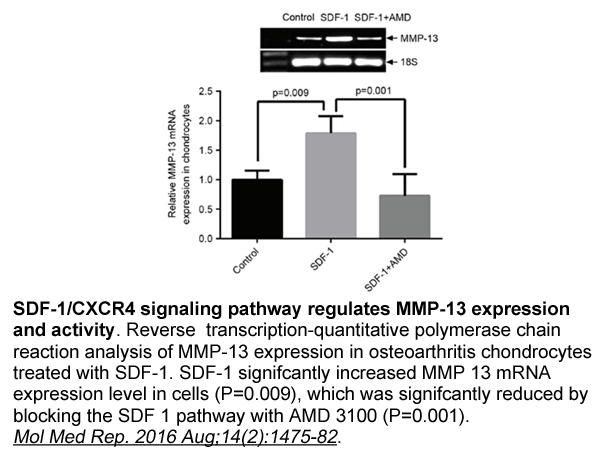
Introduction Quassinoids are natural products formed through the oxidative degradation of triterpene derivatives with anti-inflammatory, antimicrobial, antineoplastic, and antiplasmodial effects (Chakraborty and Pal, 2013; Houël et al., 2013). They are characteristic ingredients of the family Simar
-
Taking into account that a PFOS inhibits CRF gene expression
2019-09-27

Taking into account that: (a) PFOS inhibits CRF gene expression as well as CRF and corticosterone secretion (Pereiro et al., 2014); (b) CRF1r mediates the stimulation of the pituitary ACTH secretion by this neuropeptide (Rivier et al., 2003); (c) corticosterone regulates its own synthesis by a negat
-
In this study we further investigated the involvement of CRF
2019-09-27
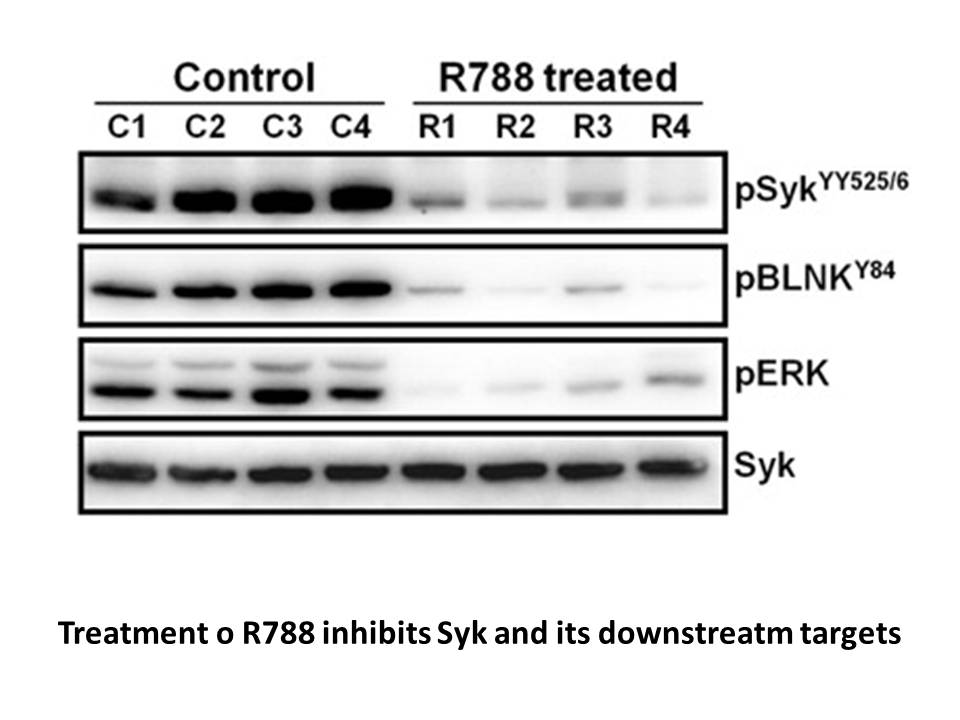
In this study, we further investigated the involvement of CRF1 and CRF2 receptors of the dPAG in the regulation of panic-related responses. For this, we used two animal models that associate escape behavior with panic attacks: the elevated T maze and the electrical stimulation of the dPAG (for a ful
-
Since its inception ADEPT approach has been widely reported
2019-09-27
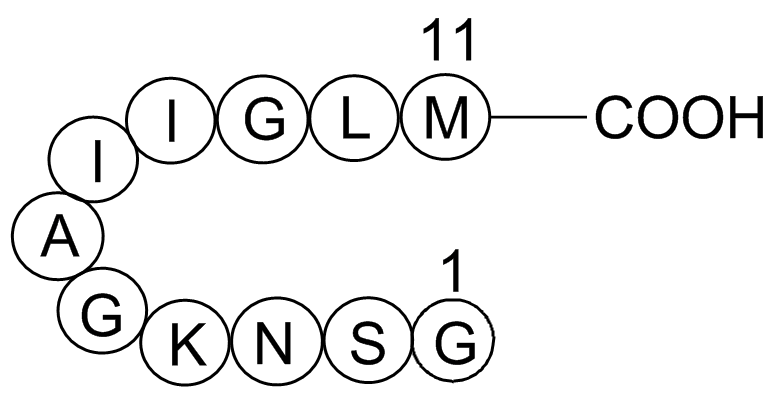
Since its inception, ADEPT approach has been widely reported by many groups using a variety of enzymes and prodrugs (see reviews) [12], [14]. Both mammalian and non-mammalian enzymes have been utilised. Of the mammalian variety, human β-glucuronidase in combination with many prodrugs [17], [18] and
-
Since the aggregation of neurotoxic
2019-09-27
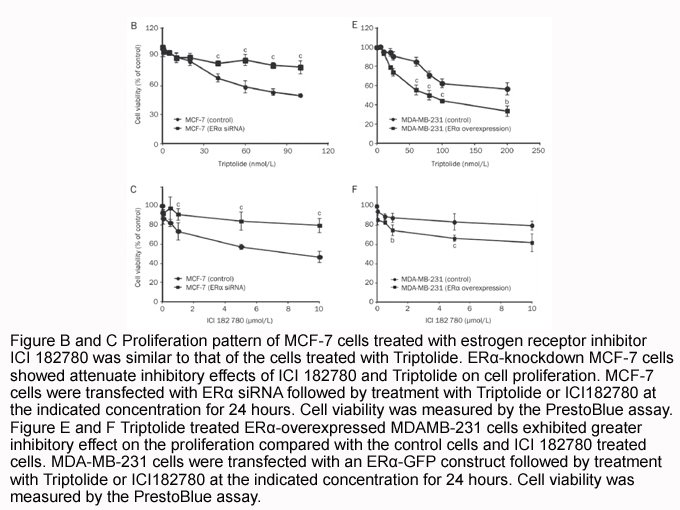
Since the aggregation of neurotoxic forms of Aβ plays a pivotal role in AD pathogenesis, an approach that using small molecules to bind Aβ monomers and prevent their assembly into cytotoxic oligomers attracts great interest for the development of AD drugs. Therefore, the potential inhibitory activit
-
MdHCLB channels expressed in Xenopus oocytes produced curren
2019-09-27
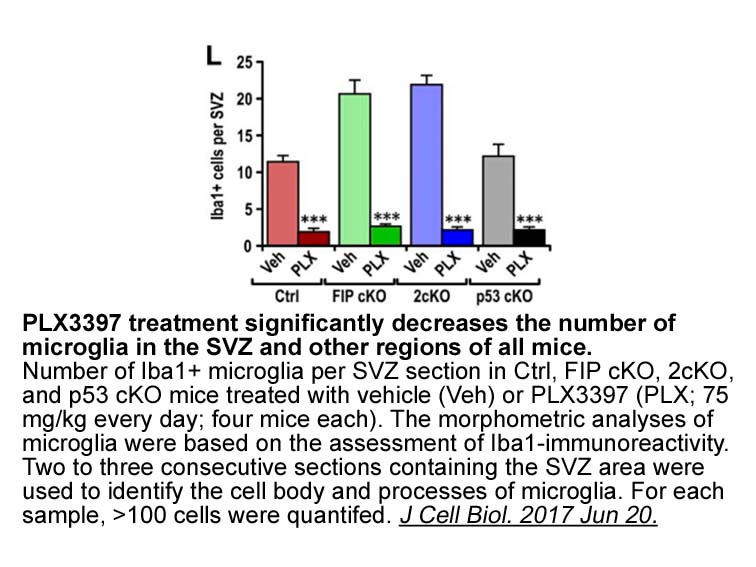
MdHCLB channels expressed in Xenopus oocytes produced currents in response to HA and GABA (Fig. 1, Fig. 3). This is in agreement with the findings with Drosophila HCLB channels (Gisselmann et al., 2004). In the HA concentration-response curves, the effects of GABA were additive to those of HA only i
-
Perturbations in cell cycle are known to induce
2019-09-27
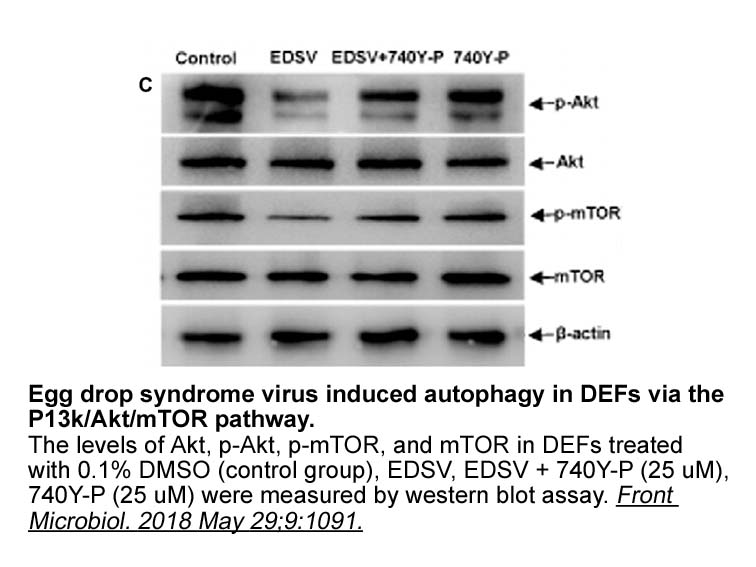
Perturbations in corticotropin releasing factor are known to induce apoptosis. Our results show that a fraction of the DT40YB-1b+/− cells, in addition to becoming tetraploids, undergo apoptotic cell death. Similar observations linking polyploidy and apoptosis have been made in the past [23], [30],
-
br Non cyclic nucleotide EPAC regulators Despite
2019-09-27
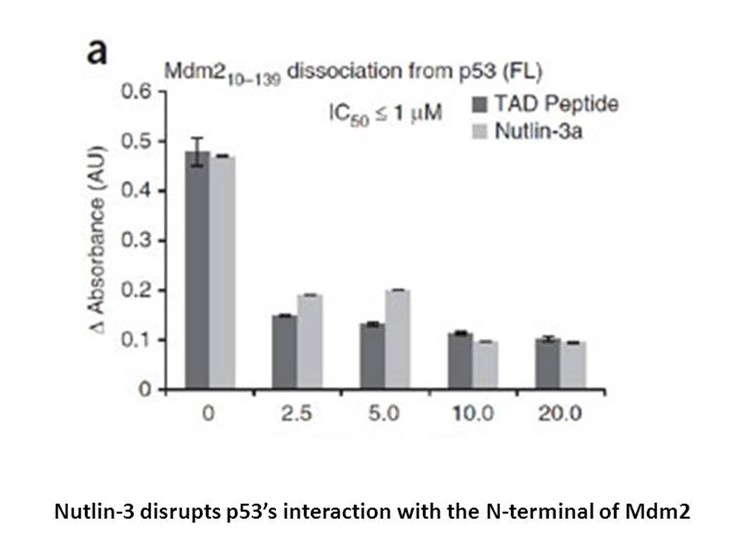
Non-cyclic nucleotide EPAC regulators Despite the success of 007 as a tool molecule, few studies to date have led to the identification of further EPAC-selective agonists. The most studied and controversial group of small-molecule EPAC regulators are the sulfonylurea (SU) family. SUs (Table 1) su
-
EP EP and EP receptor expression on HMVEC
2019-09-27
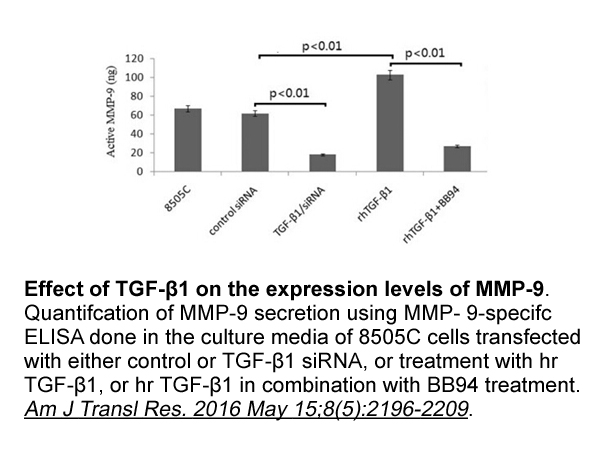
EP1, EP3 and EP4 receptor expression on HMVEC-L was shown recently by flow cytometry [14]. However, only EP4 mRNA expression was previously described in these cells [49]. Our data obtained with RT-PCR showed EP4 mRNA and very low levels of EP1 mRNA, but no EP2 and EP3 mRNA expression was detectable
-
In conclusion our data represents a step forward in
2019-09-27
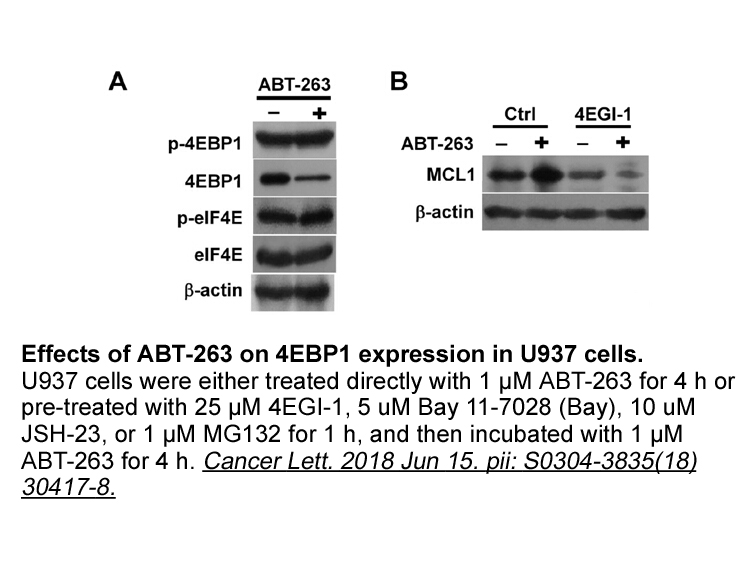
In conclusion, our data represents a step forward in terms of clarifying the role of I/D polymorphism of ACE and VNTR polymorphism of eNOS and G1793A, C677T and A1298C polymorphism of MTHFR in pathophysiology of psoriasis in Pakistani patients. It will help in better understanding of the disease pro
-
Dual inhibition of ACE and NEP as
2019-09-26
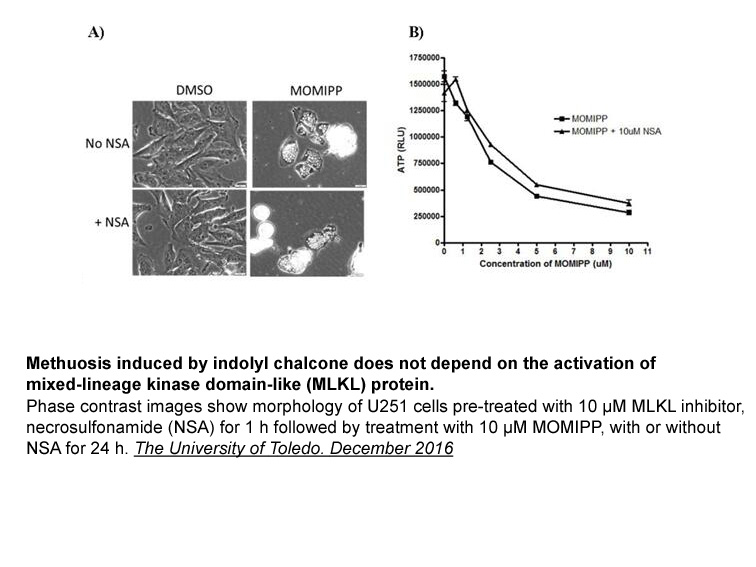
Dual inhibition of ACE and NEP as a strategy for treating hypertension has been extensively investigated, including contributions from these laboratories through the discovery of Sampatrilat . Given that both targets are related zinc metalloproteinases, dual enzyme inhibition can be achieved within
-
MLN8237 br Conclusions br Acknowledgements Implantable Micro
2019-09-26
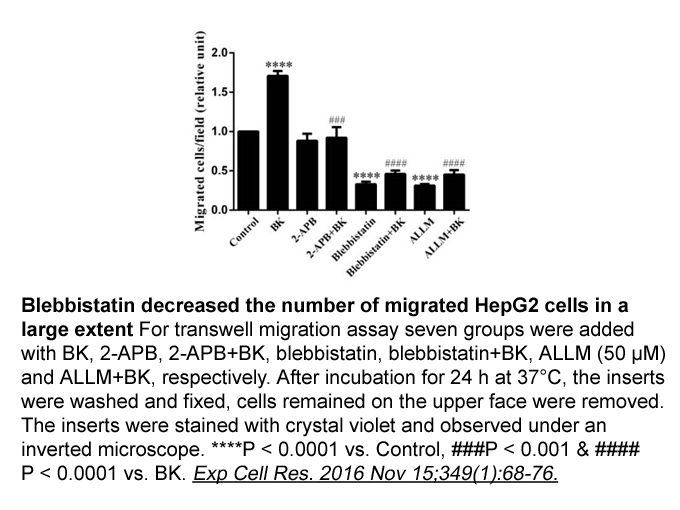
Conclusions Acknowledgements Implantable Microsystems for Personalised Anti-Cancer Therapy is a EPSRC (Engineering and Physical Sciences Research Council, UK) funded grant (Ref. EP/K034510/1) Introduction Flemingia philippinensis, belonging to the legume family, is a polyphenol rich plant
-
br Discussion The N terminal domain of
2019-09-26
Discussion The N-terminal domain of DDRs has long been recognized as a member of the DS superfamily (Johnson et al., 1993, Karn et al., 1993), and its role in collagen binding is understood in atomic detail (Carafoli et al., 2009, Ichikawa et al., 2007). Our crystal structure shows that the secon
-
In general the DNMT encompass three
2019-09-26
In general, the DNMT encompass three different structural regions: N-terminal regulatory domain, C-terminal catalytic domain and a central linker region (). The N-terminal regulatory domain is particularly implicated in determining subcellular localization of the DNMT and in allocating unmethylated
15723 records 961/1049 page Previous Next First page 上5页 961962963964965 下5页 Last page